How to connect to your Pod with SSH (and move files with SCP and FileZilla)
Lost on how to connect to your pod with SSH? Start here.
All
 Skip to main content
Blog
The Runpod dashboard just got a streamlined upgrade. Here's a quick look at what's moved, what's merged, and how new UI changes will make managing your.


Today, we are releasing a brand new look to the Runpod control panel, resulting in saved clicks and faster navigation through the platform. A few key changes will need some attention as you get acclimated. Here's a quick rundown of what has changed!
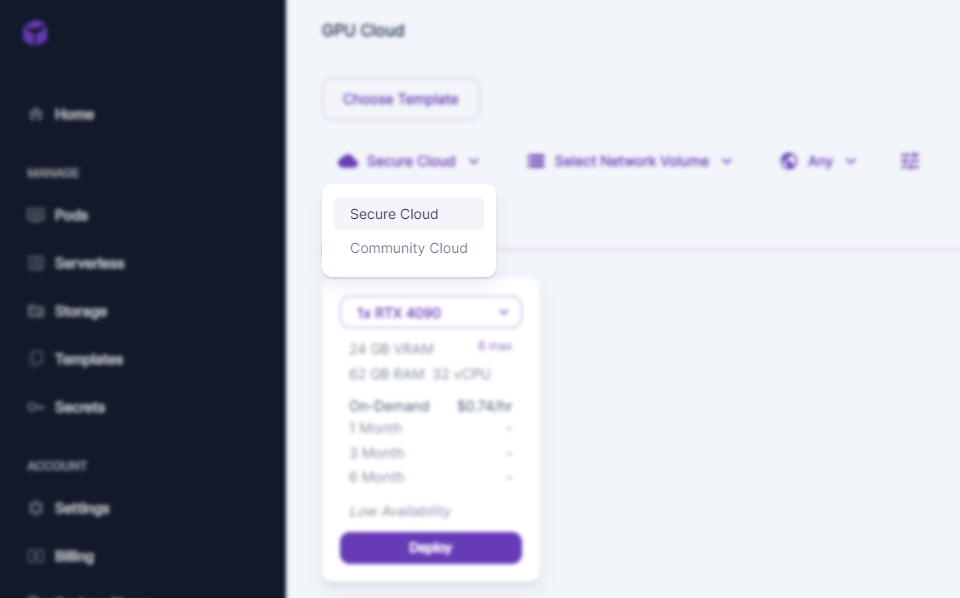
Secure and Community Cloud are now combined into one heading on the GPU Cloud page rather than having separate tabs on the menu. You can reach this screen by clicking Pods on the left and then clicking New Pod.
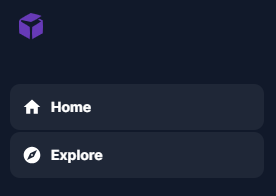
Official Runpod and community pod templates are now discoverable under an explore section.
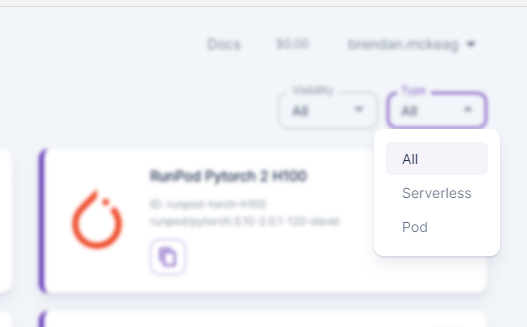
GPU Cloud and Serverless Templates are now on the Templates page, with a dropdown to toggle between the two categories. In addition, the Custom Templates language on the left has been changed to simply Templates.
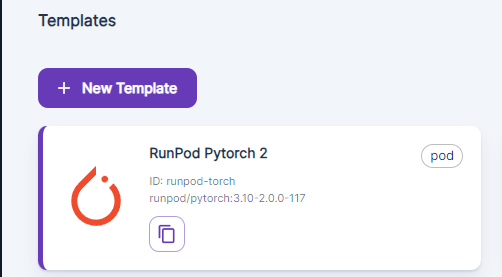
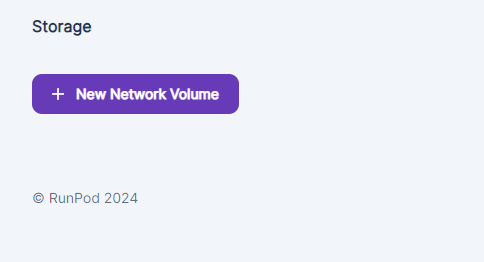
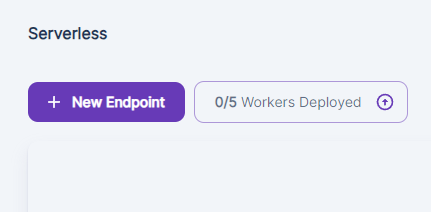
Previously, action buttons (such as "New Template") have not always been in a consistent area in the UI. Now, action buttons have been standardized to show on the top left section of the relevant page. They have also been standardized to have a consistent appearance.
Feel free to contact us via email, Discord, or live support chat - we are here to help!
Author profile: Brendan McKeag
Blog Posts