Agentic AI Workflows Explained: Patterns, Infrastructure, and GPU Requirements
Agentic workflows plan, loop, and burst differently than a single model call — here's what that means for the infrastructure underneath.
All
 Skip to main content
Blog
SECourses breaks down how to use LoRA with Kohya on Runpod in a beginner-friendly tutorial. Learn how to apply lightweight LoRA files to existing models.

Our good friend SECourses has made some amazing videos showcasing how to run various genative art projects on Runpod. His latest video, titled "Kohya LoRA on Runpod", is a great introduction on how to get into using the powerful technique of LoRA (Low Rank Adaptation). Here's the paper if you're into that kind of stuff: https://arxiv.org/abs/2106.09685.
LoRA is a very valuable technique because it allows one to create a relatively lightweight file to apply on top of existing models that augment the output. This is similar to the concept of textual inversion, but can achieve some very impressive results without having to resort to generating an entirely new model. A full model can be anywhere from 2-8GB, but a LoRA file is usually less than 100MB! The Kohya project has been very popular for investigating LoRA, but it is fairly difficult to install correctly on some machines. This excellent SECourses video walks through the installation step-by-step.
We hope you enjoy and make sure to share anything cool you make in our discord channel!
Author profile: Zhen Lu
Blog Posts
Agentic workflows plan, loop, and burst differently than a single model call — here's what that means for the infrastructure underneath.
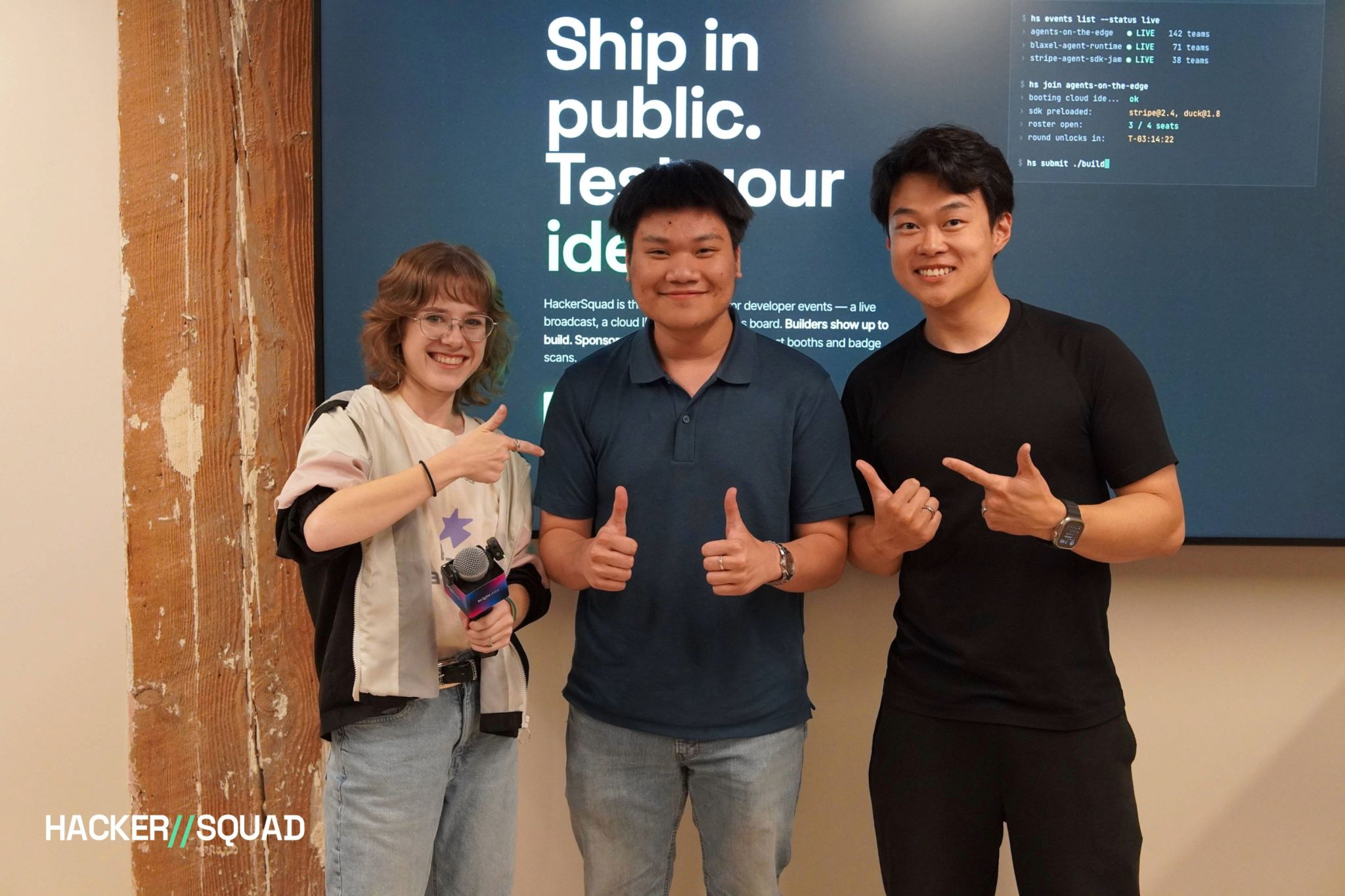
What eleven teams built at the Runpod Flash Hack Day, and the three demos that took home the top prizes.

We tested four models across sixteen workload profiles. Here's exactly what we measured and how.