How Open Source Films built an open-source VFX and agentic development pipeline on Runpod
All
 Skip to main content
.png)
Rendair’s results speak to both the reliability of its infrastructure and the impact of its product. Since launching on Runpod, the company has scaled seamlessly while helping architects move from render to approval significantly faster.
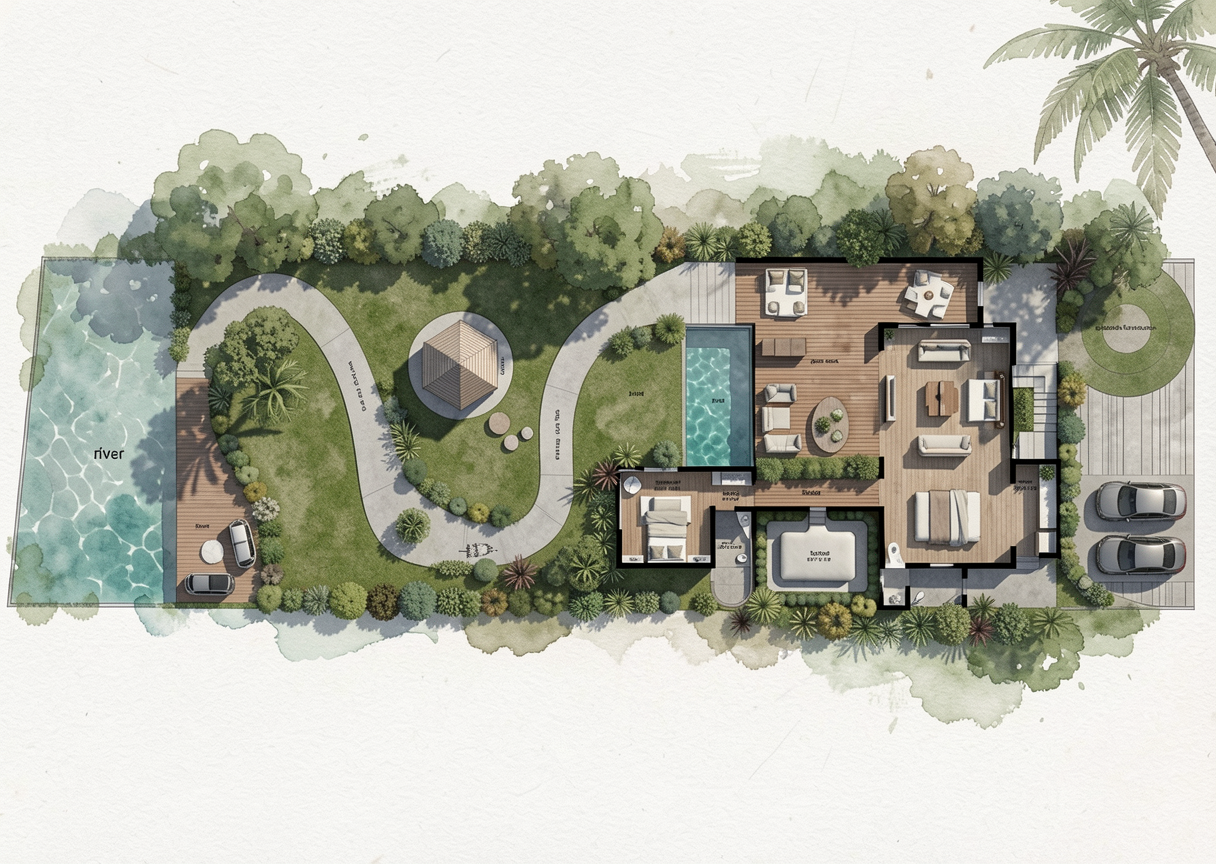
Rendair turns an architect's sketch, floor plan or 3D model into a photorealistic render, then keeps the editing, upscaling and animation in the same place instead of spreading them across post-processing tools. All of it points at one moment: the client meeting where a design either gets approved or goes back for another round. Rendair says approval cycles that used to run about three months now close in about one.
Omer Nuray, an AI architect, built the AI infrastructure behind that himself, and he had picked the GPU layer before Rendair existed.
We didn't seriously evaluate other alternatives before committing to Runpod. We found their approach interesting from the beginning, particularly the ease of integration, and we haven't had a reason to switch since.
Quim Civit, Co-founder
The first production endpoint took hours to stand up. Nearly three years in, Rendair runs 22 production endpoints on Runpod Serverless, split across create, edit, upscale and other workloads, on RTX 4090 and L40S GPUs. Serverless scales the GPU workers up when render requests arrive and back down when they stop, so Rendair isn't holding fixed capacity behind all of them. Pods run alongside that for internal testing and model-performance validation before a workflow goes anywhere near production.

Omer's plan for Rendair is bigger than rendering: the AI layer that orchestrates an entire architecture project, connecting the tools, files, workflows and stakeholders across its lifecycle. Whether that works is a product question. The infrastructure question got answered nearly three years ago, and Rendair has spent the time since adding endpoints instead of re-answering it.
If you're building something with a similar shape, the starting point is small: deploy a Serverless endpoint, keep a Pod next to it for testing, and pay for GPU workers only while they're actually running. Rendair started there nearly three years ago with a unique insight and just one endpoint.
See how Runpod Serverless works ->