
Agentic AI Workflows Explained: Patterns, Infrastructure, and GPU Requirements
Agentic workflows plan, loop, and burst differently than a single model call — here's what that means for the infrastructure underneath.
All
 Skip to main content
Blog
Runpod continues to add to its fleet and add new data centers to bolster supply offerings.

.jpeg)
We've definitely heard the concerns about how difficult it can be to get the specific GPU spec that you want on Runpod, and we've been hard at work securing new supply to make this easier. We want your development efforts to succeed, and this won't happen if we can't provide the hardware.
Towards this goal, we've added a data center in AP-IN-1 with over 1MW of power capacity, which will focus on providing H100 80GB HBM3s.
Additional regions are already in various stages of buildout, and we'll keep shipping these announcements as sites come online. The short version of our commitment: if the GPU you want is one people are actually asking for, our job is to make sure you can get it on Runpod.
If there's a specific GPU SKU or region you'd like to see prioritized, reach out through our Discord or support, or drop a note to our sales team. The feedback genuinely shapes what we build next.
AP-IN-1 is live in the Runpod console right now.
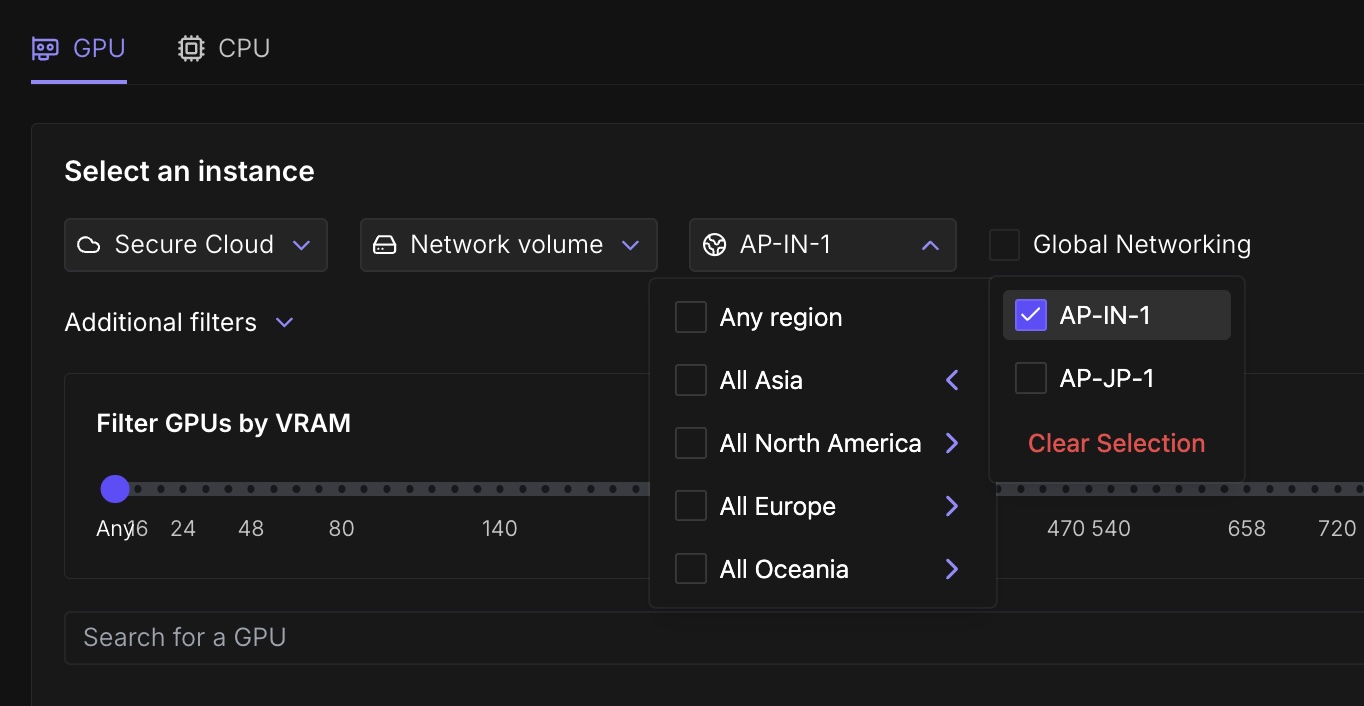
To deploy:
Thanks, as always, for building on Runpod, and keep the feedback coming, no matter what it is.
Author profile: Brendan McKeag
Blog Posts
Agentic workflows plan, loop, and burst differently than a single model call — here's what that means for the infrastructure underneath.
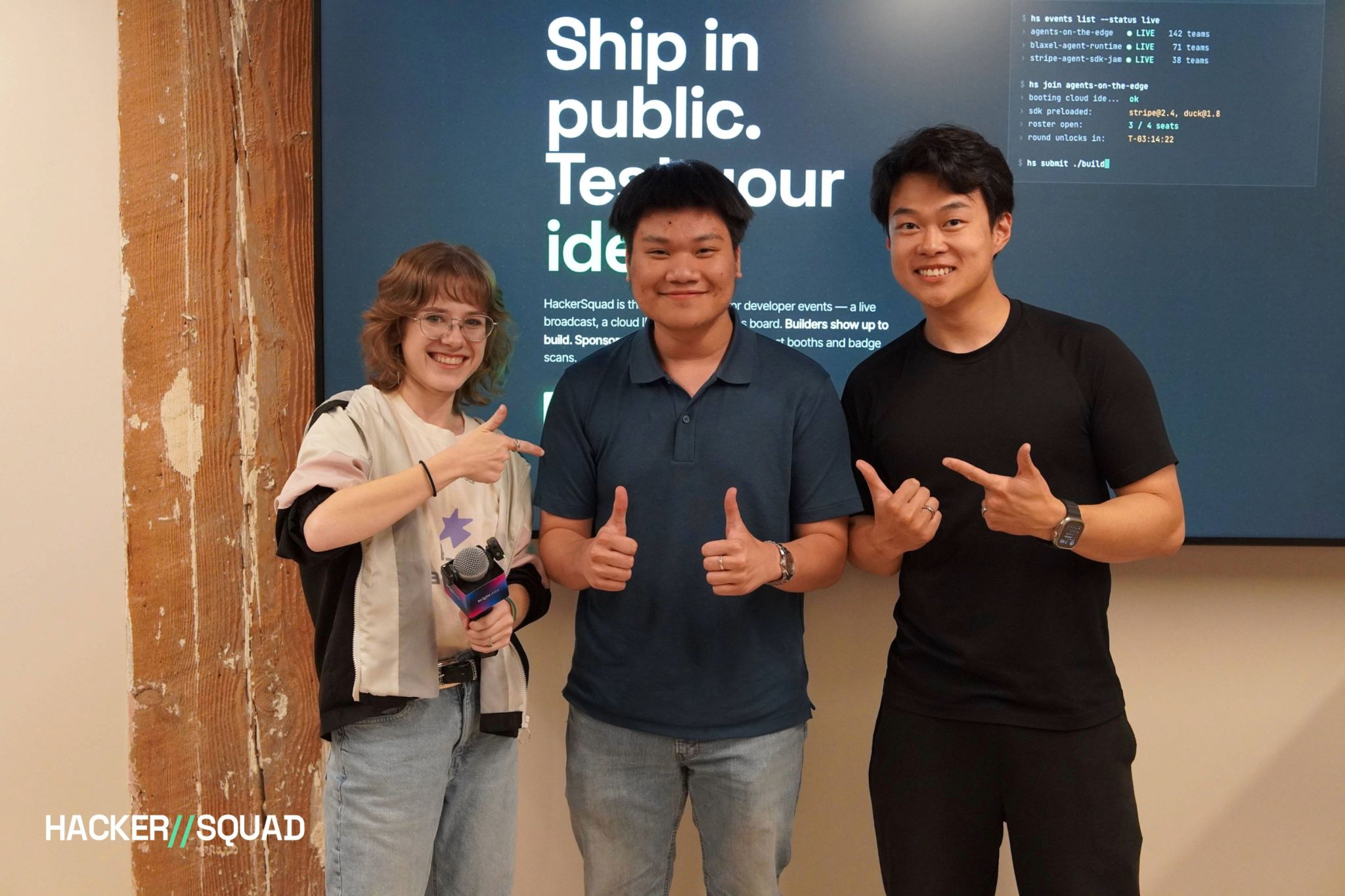
What eleven teams built at the Runpod Flash Hack Day, and the three demos that took home the top prizes.

We tested four models across sixteen workload profiles. Here's exactly what we measured and how.